Skip to content
CalamityCorners Locksmith Co.Open 24/7 (226) 271-6061
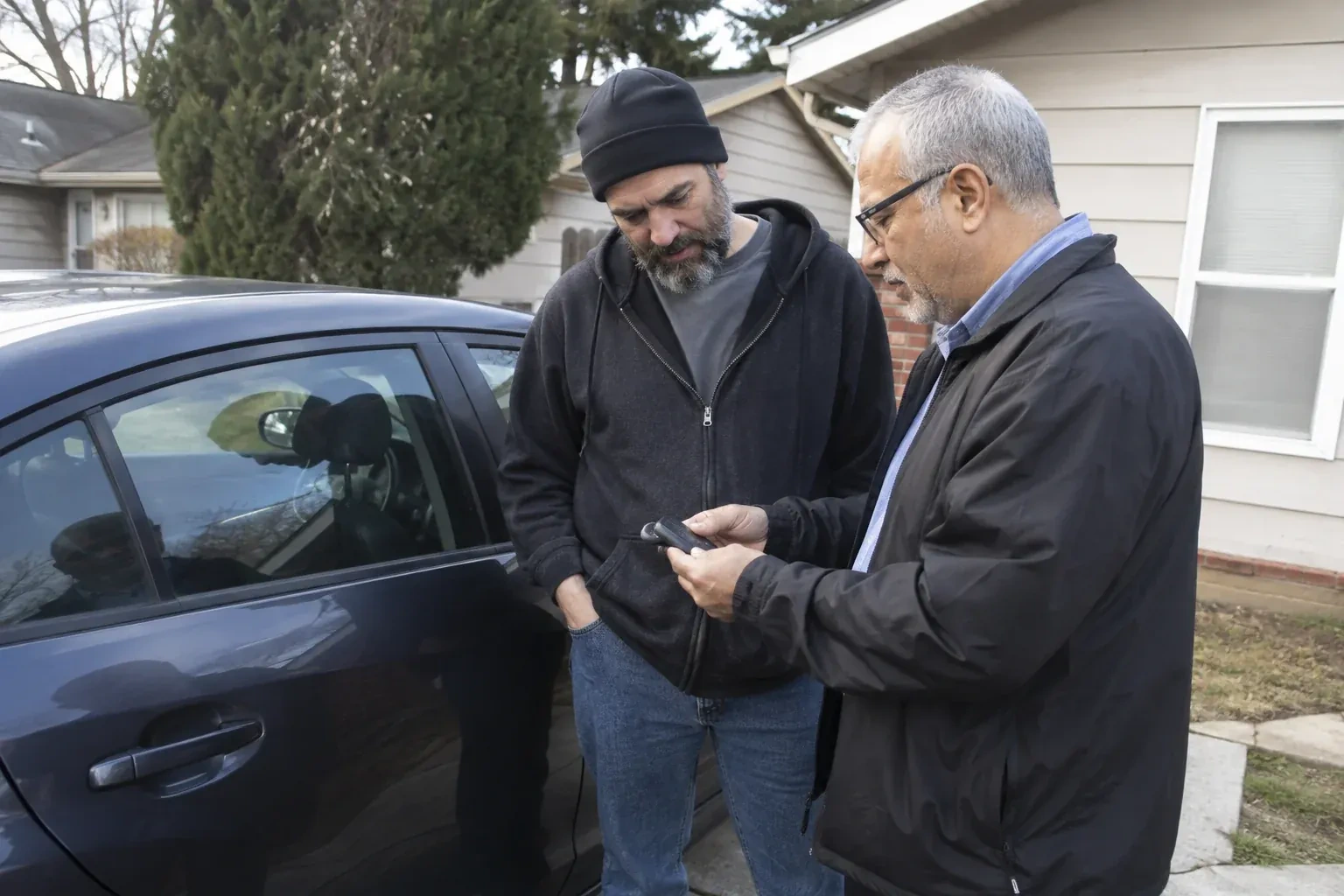
Two adults discussing a key fob beside a parked car. — Car Lockout Service, London

Car keys · London

Car Lockout Service

You stepped out at the pump to pay inside, the passenger locked their door out of habit, and the driver's door caught behind you. The engine is off, the keys are in the ignition, and the line of cars behind you is growing.

In plain words

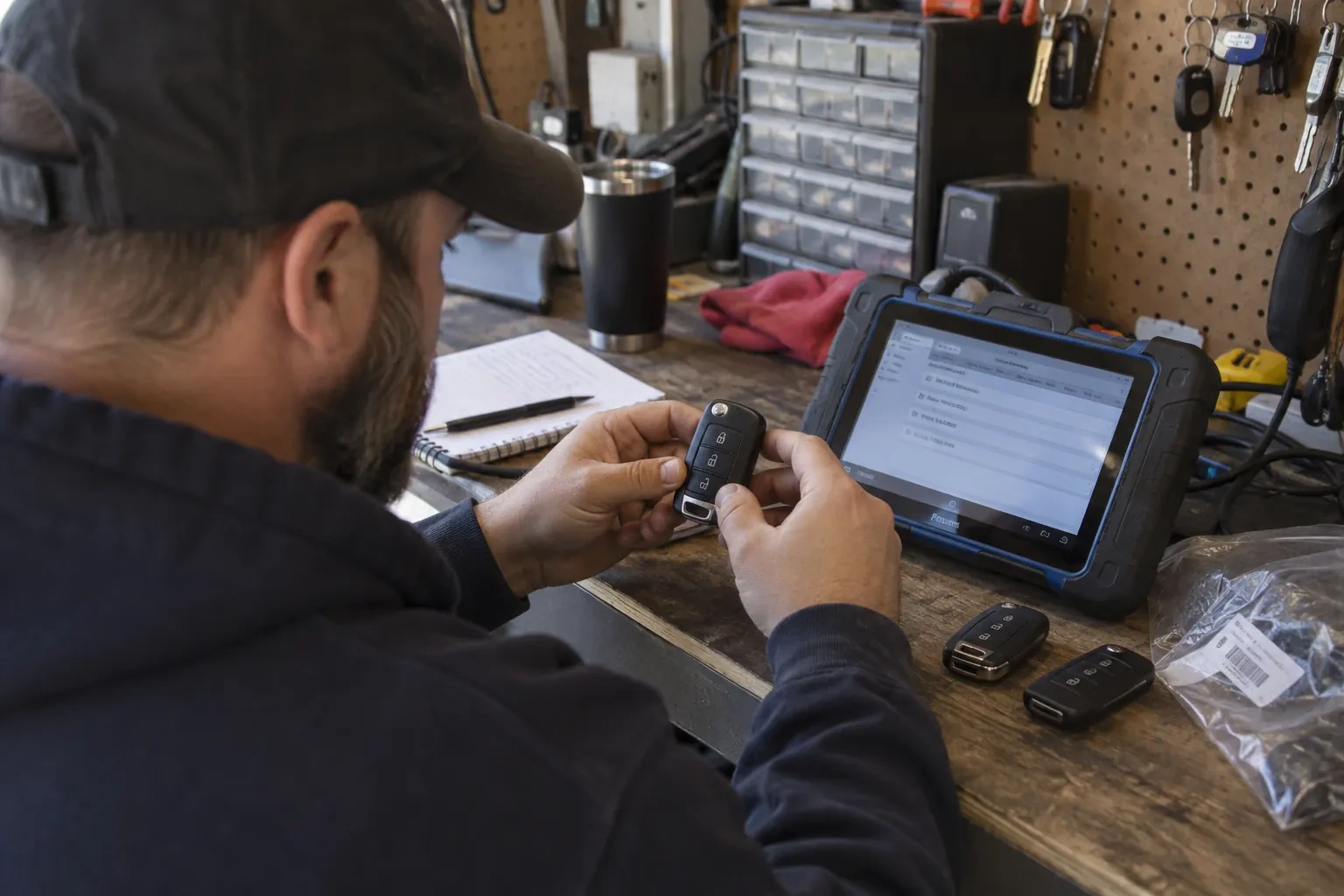
When the keys are truly gone, a car lockout call becomes two jobs in one visit. The first is entry, done without marking the car. The second is a key that works. The locksmith decodes the door cylinder or reads the key code from the vehicle's records with your proof of ownership, cuts a mechanical blade, then programs the transponder chip or fob where the vehicle's own security system supports it. On many vehicles the lost keys can also be erased from the car's memory. Many drivers leave on a key made at the roadside, though some vehicles need dealer credentials or parts and a tow instead.

Sound familiar?London

The call
It is a January morning, minus twenty with the wind, and the key will not enter the door cylinder. Yesterday's slush ran into the keyhole and froze overnight. The door itself is glued to its rubber seal, and the fob has gone quiet in the cold.
NextHow the visit goes

Car Lockout Service · London

How the visit goes

Illustrative locksmith scene — London
  1. Scene 1

    Anyone or anything inside

    The first question on the phone is whether a person or an animal is locked in. A child in a car seat, an elderly passenger, a dog in the back: any of these in summer heat or winter cold turns a lockout into an emergency, and the caller is asked to phone 911 while the locksmith is on the way. The province's animal protection line and police can act on animals in distress, and responders are equipped to enter a vehicle at once. Where nobody is inside but medication, a running engine or a phone with an urgent call are, the pace of the opening is set accordingly.

  2. Scene 2

    Working the door cylinder

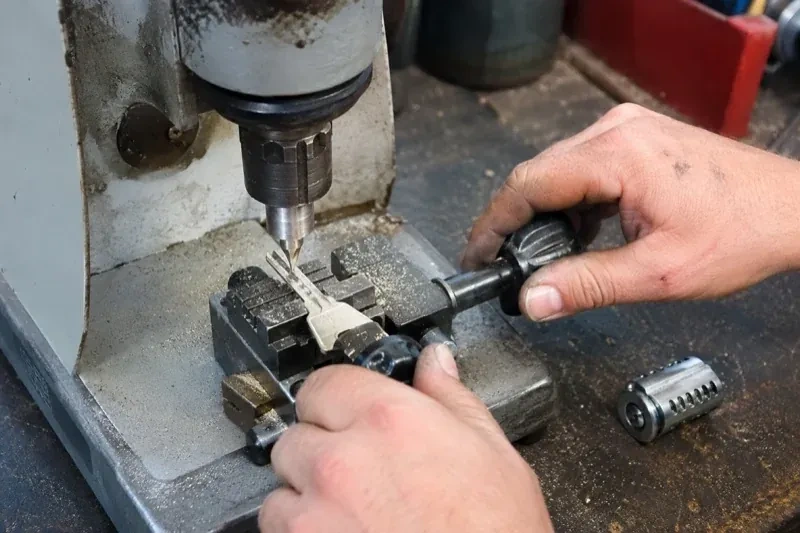
    Where the car keeps a keyed driver's-door cylinder, exposed or under a small cap that pops off with a fingernail or a plastic pry, the locksmith can open the lock without going through the gap at all. A two-in-one pick and decoder built for that keyway sets each wafer to its shear line under light turning pressure, and the cylinder rotates and unlocks the door. As it does, the tool reads the depths of the wafers it can reach; a door cylinder sometimes exposes only part of the cut pattern, so the reading is completed against the vehicle's key code or another lock where needed. The cylinder is left clean and lubricated with whatever product the vehicle maker specifies.

  3. Scene 3

    Habits that keep the keys on the right side of the glass

    Most drivers leave a lockout with a simple resolution, and a few habits make it stick. Keys go into a pocket before the door closes, not onto the seat. The trunk is loaded with the keys in hand, not tossed in first. For a keyless car, the setting that stops the doors locking with the fob inside is switched on if the model offers it. A spare lives somewhere other than the car. Roadside club membership, if you have it, is worth confirming; contractors are asked to see the registered owner and identification, so keep a photo of the vehicle permit on your phone.

In the van

  • Lock de-icer
  • Fob coin batteries
  • Silicone spray for door seals
  • Key programmer
  • Twelve-volt jump pack

What shapes the quoteCalamity Corners Locksmith Co.

Anything you add while the locksmith is there
Some drivers use the visit to have a spare key made, a worn cylinder serviced or the fob battery changed. None of it is needed to get in; each is offered as a separate choice.
Damage from earlier attempts
A seal stretched by a coat hanger or a cylinder scarred by a screwdriver may need attention beyond the opening. The locksmith points out what was already there before quoting any repair.
Number of keys made
One replacement gets you home; a second cut and programmed at the same time saves a future call. Each key is counted into the quote individually, so say how many you want.

FeesSame any hour

Have it ready

Before you call · 0 / 3

(226) 271-6061

Let's clear a few things up

The whole car is dead, not just the fob. Can you still open it?

Yes. When the interior lights, horn and remote are all silent, the car's own twelve-volt battery has run flat, and the fob has nothing to talk to. The door is opened through the mechanical cylinder or with a wedge and reach tool; loose or corroded connections and other faults can look the same as a dead battery, so it is checked and confirmed safe before a jump pack brings the car back to life. If the battery will not hold a charge, you will know before the locksmith leaves.

The alarm went off. Is that a problem?

It is expected. Opening a door without the fob or key wakes most factory alarms, and quieting them is part of finishing the job: a turn of the key in the door or ignition, or a press of the fob once the car has power, usually does it. An aftermarket alarm is reset from its own valet switch. The locksmith stays until the car is quiet and every lock has been cycled.

My car is in a gated lot or an underground garage. Does that matter?

Only for getting the van to the car. Tell the locksmith how the lot is entered, whether a code, a buzzer or an attendant is involved, and which level the car is on, so nobody loses time at the gate. In a tight garage the locksmith checks there is room to open the door fully and enough light to see the interior switches, and brings a torch if not. The opening itself is unchanged.

Londoninformation

MiddlesexOntario

Town
London, Middlesex
In business
27 years
Hours
Open 24/7
Nights, weekends and holidays, same fees
Visits
On-site assessment preferred. Request a visit or call.

2021 census: what it means at the door

Every square is one home in a hundred.

  • 52 in 100 homes · older homes
  • About 52% of homes in London were built in 1980 or earlier, according to the 2021 Census.Where most homes were built decades ago, doors often still carry their original mortise locks and brass knobs. That hardware can usually be cleaned, re-sprung and kept in service, with a modern deadbolt added above it for strength without losing the look.
  • Single-detached houses make up about 49% of homes in London (2021 Census).Where the housing is mixed, expectations about what can be changed differ. A homeowner in a house decides everything; a condo owner works within house rules on the outer face. The locksmith knows which conversation to have at which door.

Source: Statistics Canada, Census Profile

Open London in Google Maps

On-site assessment

Request a visit.

You stepped out at the pump to pay inside, the passenger locked their door out of habit, and the driver's door caught behind you.

(226) 271-6061, open 24/7.